Don't hesitate to contact us
At our IT solution company, we are committed to exceptional
Contact us1314 South 1st Street, Unit 206 Milwaukee,WI 53204, US


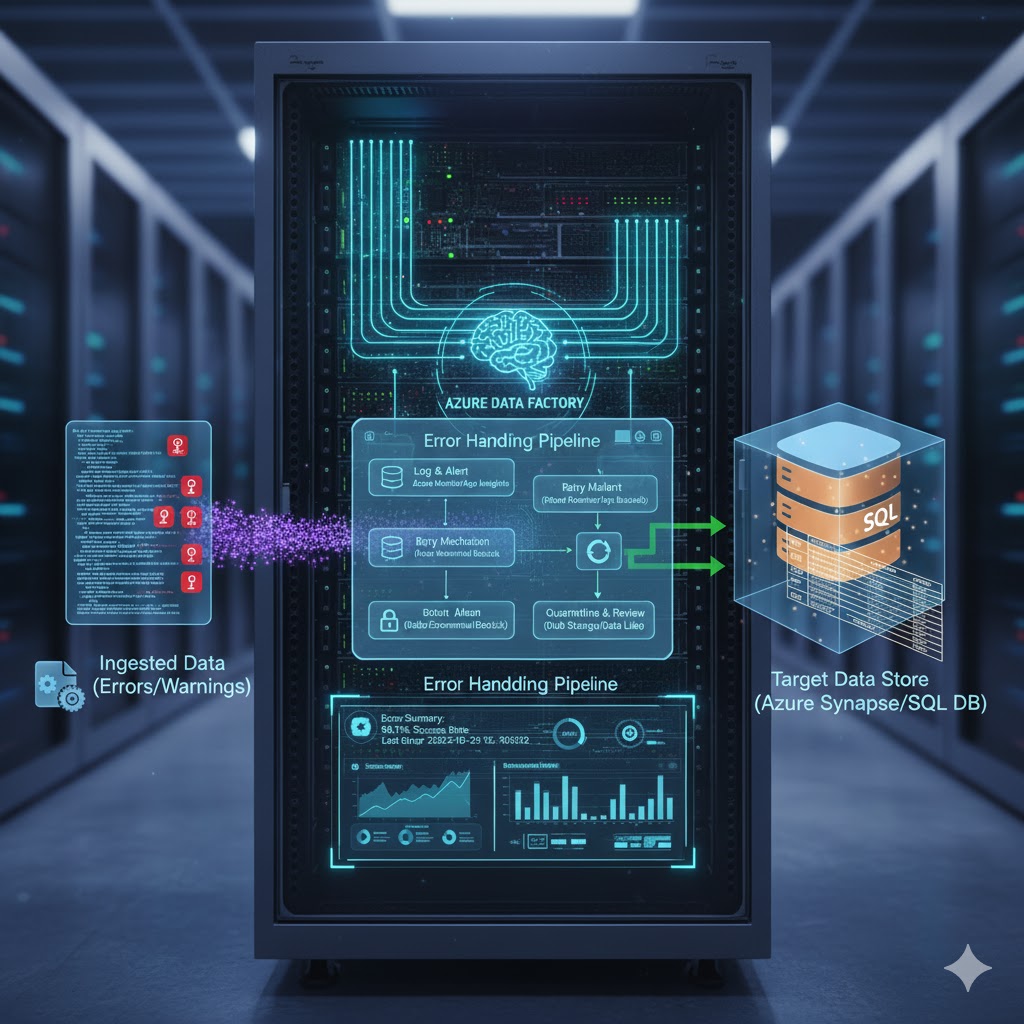
Modern data-driven organizations rely heavily on ETL (Extract, Transform, Load) pipelines to move information from various sources into data warehouses, dashboards, and business intelligence tools. As businesses integrate more third-party APIs into their workflows, secure authentication becomes a critical part of the ETL process. This is where OAuth2 authentication plays a vital role.
OAuth2 is today’s most widely used authorization framework, enabling secure access to APIs without exposing sensitive information like passwords. In the context of Python-based ETL pipelines, implementing OAuth2 correctly ensures safe, reliable, and uninterrupted data extraction. This article explains how OAuth2 works, why it matters, and how it fits naturally into Python ETL workflows.
Most modern APIs—including Google Cloud, Microsoft Graph, Salesforce, HubSpot, and countless custom enterprise APIs—require OAuth2 for authentication. Unlike basic authentication methods, OAuth2 is designed to give applications controlled access through tokens. This brings several benefits:
OAuth2 uses token-based security, reducing the risk of password exposure. Each token has limited permissions, lifespan, and purpose.
APIs can define scopes, allowing applications to access only selected data instead of the user’s entire account.
Tokens automatically expire to prevent misuse. ETL systems must handle refresh logic to continue uninterrupted.
OAuth2 is the default choice for secure API communication in scalable systems.
As ETL pipelines often run automatically in the background, implementing OAuth2 responsibly ensures both security and reliability.
OAuth2 supports different authorization flows. In ETL pipelines, two flows are the most common:
This is used for machine-to-machine communication where no user interaction is required. It is ideal for server scripts or scheduled Python jobs pulling data from an API.
Both flows are widely used depending on the ETL’s requirements.
Integrating OAuth2 into ETL is primarily about managing access tokens and ensuring they remain valid during extraction. Here’s how OAuth2 aligns with each stage of the ETL process:
Before accessing any protected API, the ETL system must present a valid token. OAuth2 ensures this token is obtained securely and refreshed when it expires.
While OAuth2 does not directly affect transformations, it ensures extracted data is accurate and fresh, so transformation logic runs consistently.
OAuth2 allows the ETL pipeline to write data securely into databases, cloud warehouses, or external systems that also require authorization.
By integrating OAuth2 into the extract phase, the rest of the ETL flow proceeds smoothly.
One of the biggest challenges in ETL systems is managing token expiration. Access tokens usually expire within minutes or hours. Without proper handling, ETL workflows can fail mid-process.
A reliable OAuth2 setup in ETL must include:
Instead of requesting a token every time, the pipeline should store it temporarily and reuse it until it expires.
When the token expires, the system should automatically request a new one using a refresh token (when applicable). This prevents the need for user interaction.
Some pipelines refresh tokens a few minutes before expiration to avoid interruptions during long-running jobs.
Client IDs, client secrets, and refresh tokens must be stored securely using environment variables, secret managers, or encrypted files.
Managing tokens correctly ensures your ETL pipeline runs smoothly without manual intervention.
While OAuth2 enhances security, developers often face practical issues:
If the ETL pipeline runs for a long time, expired tokens can cause failures unless refresh logic is implemented.
APIs may reject requests if the application requests insufficient or incorrect permissions.
Some OAuth2 systems restrict how often a new token can be requested, making token caching essential.
In user-based flows, redirect URIs must match exactly with what the API provider expects.
Understanding these challenges helps create more resilient pipelines.
To maximize security, stability, and performance, follow these best practices:
✔ Use environment variables or secret managers
Never hardcode client secrets or refresh tokens in scripts.
✔ Implement reliable caching
Avoid repeated token requests; reuse tokens until their expiration window.
✔ Refresh tokens proactively
Always refresh tokens slightly before their expiry to avoid data extraction failure.
✔ Request only required scopes
Limiting scopes helps protect user data and reduces potential security risks.
✔ Log strategically—never log sensitive information
Logs should capture errors, not token details.
✔ Monitor token failures
Set alerts if token retrieval or API access fails multiple times.
OAuth2 authentication is a foundational requirement for secure API access in Python-based ETL pipelines. With the rise of cloud services and third-party integrations, understanding how OAuth2 works has become crucial for developers and data engineers. When implemented with proper token caching, refresh logic, and secure storage practices, OAuth2 ensures your ETL pipelines run reliably and securely—without manual intervention.
Publishing detailed, well-structured content like this helps establish technical authority, improves SEO, and provides real value to readers looking to build modern ETL workflows.
If you want more articles like this—on APIs, Python, ETL, cloud integrations, or automation—just tell me the next topic and I’ll write it!